
Endoscopy in Ghaziabad: When Is It Recommended?
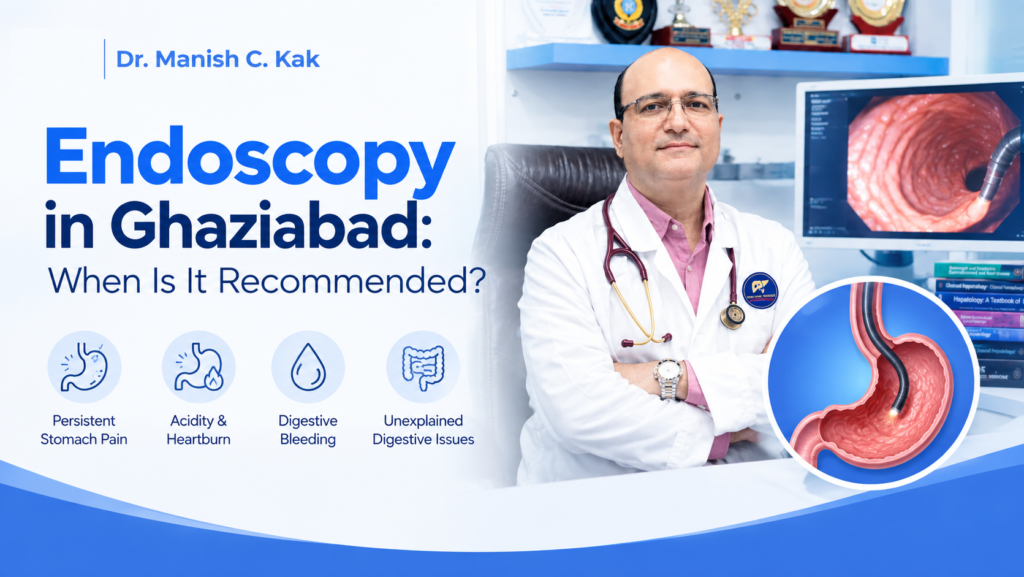
Endoscopy is a medical procedure that allows a doctor to examine the inner lining of the digestive tract with the help of a thin, flexible tube fitted with a small camera. It is commonly used to investigate symptoms that may not be explained by routine tests. During an upper gastrointestinal endoscopy, the doctor can look at the food pipe, stomach, and first part of the small intestine. The procedure can help identify inflammation, ulcers, bleeding, narrowing, or other abnormalities and may also allow tissue samples to be collected when needed.
When Is an Endoscopy Recommended?
An endoscopy may be recommended when digestive symptoms are persistent, recurrent, or difficult to explain. Common reasons include ongoing upper abdominal discomfort, frequent heartburn, difficulty or pain while swallowing, repeated vomiting, unexplained nausea, or symptoms that continue despite initial treatment. It may also be advised when a doctor needs to investigate suspected ulcers, inflammation, or another condition affecting the upper digestive system. The decision depends on the symptoms, medical history, examination findings, age, and other risk factors.
Investigating Unexplained Bleeding
Digestive tract bleeding is another important reason for an endoscopic examination. Signs such as vomiting blood or passing black, tarry stools require prompt medical assessment. An endoscopy can help locate the source of bleeding and, in selected situations, treatment can be performed during the same procedure. Because bleeding can have several causes, professional evaluation is important rather than relying on self-medication or waiting for symptoms to disappear.
Persistent Acidity and Reflux Symptoms
Occasional acidity is common, but symptoms that occur frequently or remain troublesome may require further evaluation. Endoscopy can be considered when reflux symptoms do not improve with appropriate treatment or when warning symptoms are present. These may include difficulty swallowing, unexplained weight loss, anemia, recurrent vomiting, or evidence of gastrointestinal bleeding. A careful assessment helps determine whether an endoscopic examination is appropriate for the individual patient.
How the Procedure Is Usually Performed
Before an upper endoscopy, patients are generally asked to avoid food and liquids for a specified period so that the digestive tract can be examined clearly. The procedure is usually performed with medication to improve comfort, and the doctor carefully guides the endoscope through the mouth. The camera provides a magnified view of the digestive lining. If necessary, small tissue samples may be taken for laboratory examination. Patients should follow the preparation instructions provided by their healthcare team.
Choosing the Right Specialist
Selecting an experienced digestive health specialist can make the evaluation more organized and reassuring. A Best Gastroenterologist in Ghaziabad can assess symptoms, review previous reports, decide whether endoscopy is necessary, and explain what the procedure may reveal. Patients should share details about medicines, allergies, previous digestive problems, and any history of bleeding before the examination. Good communication also helps the doctor select suitable tests and plan follow-up care.
Endoscopy in Ghaziabad: Individualized Evaluation
The need for Endoscopy in Ghaziabad should not be decided simply because a particular symptom is present. Many digestive complaints can have different causes, and not everyone with acidity, abdominal discomfort, or nausea needs an endoscopic procedure. A gastroenterology consultation can help determine whether endoscopy, laboratory testing, imaging, lifestyle changes, or another approach is more suitable. If the procedure is advised, the doctor can explain its purpose, preparation, possible findings, and expected recovery.
Conclusion
Endoscopy can provide valuable information when digestive symptoms persist, warning signs appear, or a doctor needs a closer look at the upper gastrointestinal tract. It can help diagnose certain conditions and, in some cases, assist with treatment during the same examination. The safest approach is to discuss ongoing or concerning symptoms with a qualified specialist rather than delaying evaluation. Dr. Manish C. Kak provides gastroenterology care with attention to individual symptoms, appropriate investigations, and clear guidance throughout the diagnostic process.