
Fatty Liver Treatment in Ghaziabad: Diagnosis and Management
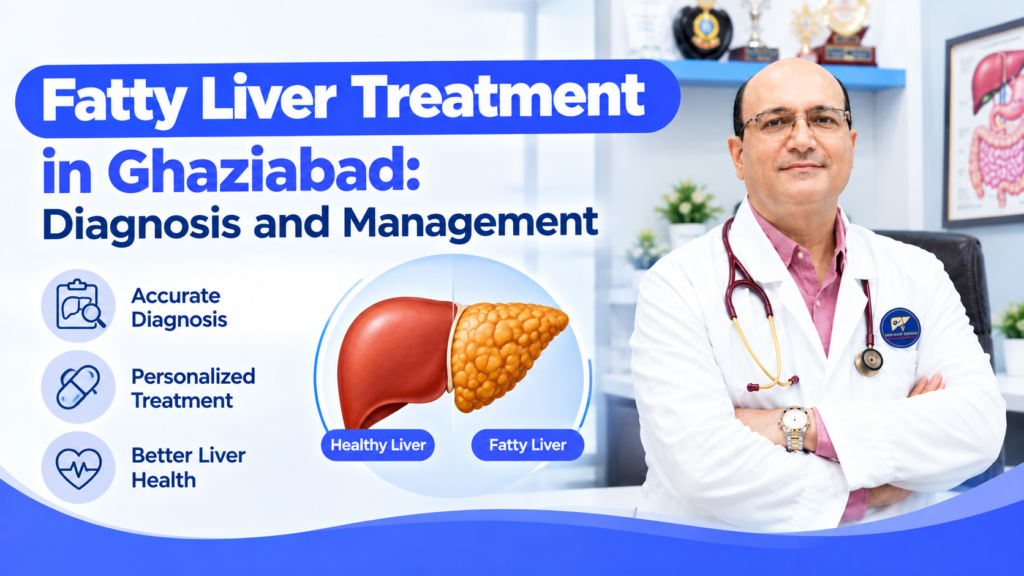
Fatty liver develops when excess fat accumulates inside liver cells. It is often linked with excess body weight, diabetes, high cholesterol, and unhealthy eating patterns. Many people have few or no symptoms in the early stages, making appropriate evaluation important when risk factors are present.
What Causes Fat to Build Up in the Liver?
Several factors can contribute to fat accumulation. A diet high in calories, added sugars, and unhealthy fats may play a role, especially when combined with limited physical activity. Insulin resistance and type 2 diabetes can increase risk. Alcohol consumption is another important factor and should be discussed with a doctor when assessing liver health.
Common Symptoms to Watch For
Fatty liver may remain unnoticed because symptoms can be mild or absent. Some people may experience tiredness, weakness, or discomfort in the upper right side of the abdomen. These symptoms are not specific to fatty liver, so they cannot establish a diagnosis on their own. Persistent concerns should be evaluated medically.
How Is Fatty Liver Diagnosed?
Diagnosis usually begins with a review of symptoms, medical history, lifestyle, medicines, and existing health conditions. Blood tests may be used to assess liver enzymes and other markers. Imaging such as ultrasound can help identify fat in the liver. Depending on the individual case, additional tests may be recommended to assess the condition more fully.
Why Early Assessment Matters
Finding fatty liver early provides an opportunity to address contributing factors. Simple fat accumulation does not always lead to serious disease, but some people can develop inflammation and progressive scarring. The risk may be greater when metabolic conditions remain uncontrolled. Regular follow-up can help monitor liver health and identify changes that need attention.
Lifestyle Changes and Weight Management
For many patients, improving daily habits is an important part of management. Gradual weight reduction, when appropriate, may help reduce liver fat. A sustainable diet can include vegetables, whole fruits, whole grains, pulses, suitable protein sources, and moderate portions. Sugary drinks, highly processed foods, and frequent fried meals should be limited.
Regular Physical Activity
Exercise can support weight management and metabolic health. Brisk walking, cycling, swimming, or other suitable activities can be included in a weekly routine. Strength exercises may also be useful. People who have been inactive or have other medical conditions should discuss an appropriate exercise plan with their healthcare professional.
Managing Related Health Conditions
Fatty liver can occur alongside diabetes, high blood pressure, high cholesterol, or excess weight. Managing these conditions is therefore an important part of overall care. Taking prescribed medicines correctly, monitoring blood sugar when advised, and attending medical appointments can help address factors that may affect liver health.
Medicines, Supplements, and Liver Health
Patients should tell their doctor about all medicines, vitamins, and supplements they use. Some products can affect the liver, particularly when taken incorrectly or in excessive amounts. Avoid using unverified liver detox products or herbal remedies as a substitute for medical care. A doctor can advise whether a product is appropriate for an individual patient.
When Specialist Care May Be Needed
If liver tests remain abnormal, symptoms continue, or several risk factors are present, specialist assessment may be appropriate. Patients looking for Liver Treatment in Ghaziabad can discuss their condition with Dr. Manish C. Kak. A detailed assessment can help identify contributing factors and determine whether additional testing, monitoring, or treatment is required.
Personalised Management Matters
There is no single plan suitable for every person with fatty liver. Management depends on the cause, severity, medical history, laboratory findings, and associated conditions. People seeking guidance from a Liver Specialist in Ghaziabad can discuss their individual risks rather than following generic online treatment plans. Regular follow-up can help track progress.
Preventing Further Liver Problems
Healthy habits can support the liver after fatty liver has been identified. Maintaining a suitable weight, staying active, eating balanced meals, controlling blood sugar and cholesterol, and avoiding excessive alcohol can form part of long-term care. Keeping regular medical appointments is also important when monitoring or repeat tests have been advised.
Conclusion
Fatty liver should not be ignored simply because symptoms may be mild or absent. Proper diagnosis helps identify possible causes and determine whether further assessment is needed. Lifestyle improvement and management of related health conditions are often important components of care. Dr. Manish C. Kak encourages patients to seek timely medical guidance and follow a personalized plan based on their individual liver health.